
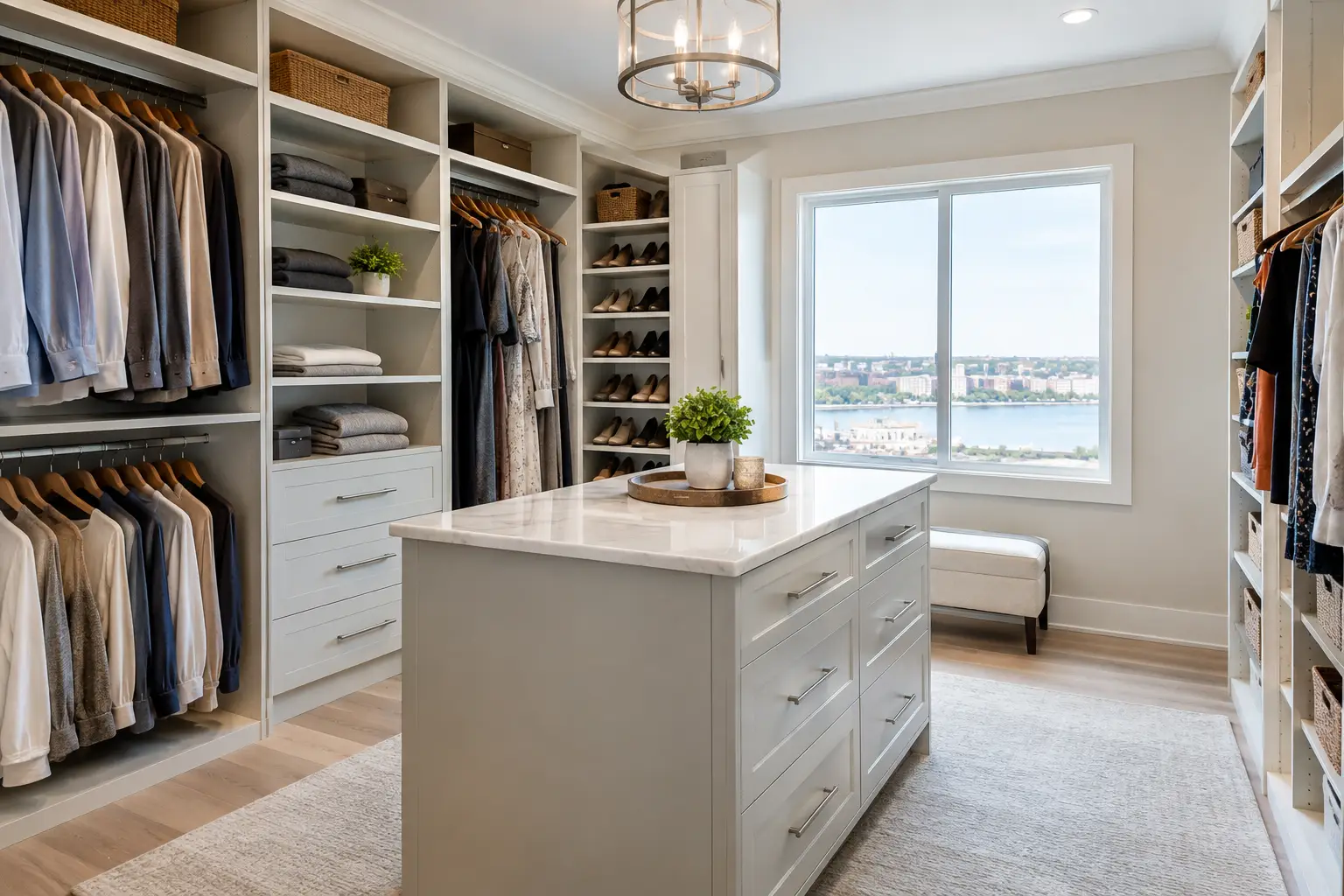
A closet earns its keep when it makes the morning easier, keeps clothing in good condition, and gives everything a dependable place to go. For homeowners asking what adds value in closets, the answer is not simply more shelving. Value comes from a layout that fits the household, quality materials that hold up, and details that make the space feel organized rather than crowded.
A well-designed closet can improve daily comfort right away. It can also make a home more appealing when it is time to sell, especially when buyers see that storage has been thoughtfully planned instead of treated as an afterthought. The best investment depends on the size of the closet, the age of the home, and how the family actually uses the space.
What Adds Value in Closets? Function First
The closet features that add the most value are the ones that solve a real problem. A beautiful finish is a welcome touch, but it will not help much if there is still nowhere to hang dresses, store shoes, or put away folded laundry.
Start with the items that create clutter now. A primary closet may need more long-hang space for dresses and coats, double-hang sections for shirts and pants, and drawers for smaller items. A child's closet may need adjustable shelves that can change as their needs do. A reach-in closet often benefits from using its full width and height instead of relying on one rod and a single shelf.
This is why a custom approach can be more valuable than a one-size-fits-all organizer. The right design considers who uses the closet, what they own, and what needs to be easy to reach every day. That practical fit is what makes a closet feel better to live with and more impressive to a future buyer.
A Layout That Uses Every Available Inch
Unused vertical space is one of the most common missed opportunities in a closet. Many standard closets stop well below the ceiling, leaving room where seasonal items, luggage, extra bedding, or keepsake boxes could be stored.
Floor-to-ceiling cabinetry or upper shelves can put that space to work. The key is to keep frequently used items at a comfortable height and reserve higher areas for things that only come out a few times a year. Adding a sturdy step stool nearby can make elevated storage more practical, but daily essentials should not require reaching or climbing.
A good layout also creates clear zones. Hanging clothes, folded items, shoes, accessories, and laundry all need their own place. When these categories are mixed together, even a large closet can feel chaotic. Clear zones make putting things away quicker, which is often the difference between an organized closet on Monday and a cluttered one by Friday.
Make Room for Both Short and Long Hanging Items
Double-hang rods are one of the simplest high-value upgrades for closets with many shirts, jackets, skirts, or folded pants. They can nearly double the usable hanging capacity in the same wall space. At the same time, most households still need a section for long garments such as dresses, coats, or formalwear.
The right balance varies. Someone with a work wardrobe may want generous short-hang space, while a family that stores winter coats in the primary closet may need more room for long items. Measuring the clothing before finalizing the design prevents a layout that looks good on paper but falls short in use.
Drawers Create a Finished, Furniture-Like Feel
Built-in drawers add convenience and a sense of permanence. They are especially useful for socks, undergarments, workout clothes, pajamas, jewelry, and accessories that tend to disappear into bins or piles.
From a home-value standpoint, drawers can make a closet feel more like a designed room than a basic storage area. They also reduce the need for extra bedroom furniture, which can make the bedroom itself feel less crowded. Soft-close hardware is a worthwhile detail for many homeowners because it is quiet, durable, and gives the installation a more polished feel.
There is a trade-off, however. Drawer units take up more space and cost more than open shelves. In a smaller reach-in closet, a carefully chosen drawer stack may be more useful than filling the whole area with cabinetry. In a spacious walk-in, multiple drawers or a central island may be a better fit.
Adjustable Shelving Keeps the Closet Useful Longer
Fixed shelves work well when every item has a predictable size. Real households change, though. Shoe collections grow, children get older, and storage needs shift between seasons.
Adjustable shelving helps a closet adapt without requiring a complete rebuild. It is especially useful for shoes, handbags, sweaters, bins, and linens. Shelf spacing should be planned around what will actually be stored, not just around a standard configuration.
For example, shoe storage is more valuable when it allows pairs to stay visible and easy to grab. Shallow shelves may work well for flats and sandals, while boots and larger footwear need more clearance. Open shelving is often convenient, but incorporating a few drawers or closed cabinets can help keep visual clutter under control.
Lighting Makes a Closet Safer and Easier to Use
Good closet lighting is an upgrade people notice immediately. It helps homeowners see colors accurately, find items faster, and avoid searching through dark corners early in the morning or late at night.
LED lighting is a practical choice because it uses less energy and produces less heat than older lighting options. Lighting under shelves, along hanging sections, or inside cabinetry can make a walk-in closet feel more comfortable and finished. Motion-sensor lighting is particularly convenient in closets where hands are full of laundry, bags, or clothing.
Lighting should be selected and installed with safety in mind. It needs to work with the closet's dimensions and surrounding materials, and any electrical work should be handled properly. A bright closet is helpful, but the goal is useful, even illumination rather than harsh glare.
Durable Materials and Hardware Protect the Investment
Closets handle a surprising amount of weight. Winter coats, stacks of jeans, shoes, luggage, and storage bins all place pressure on shelves, rods, brackets, and drawer slides. Cheap materials may sag, chip, or loosen over time, turning an upgrade into another household repair.
Quality panels, properly supported shelves, secure hanging rods, and dependable drawer hardware make a major difference in long-term performance. This is especially true in busy family homes where closets are opened, closed, and reorganized constantly.
Finishes matter, too. A clean, neutral finish usually offers broad appeal and works with changing bedroom colors and furnishings. That does not mean every closet must be white or basic. Wood tones, darker colors, and decorative hardware can look excellent when they suit the home. For resale, the safest choice is typically a finish that feels timeless and well maintained rather than overly personalized.
Accessories Add Value When They Match Daily Habits
Accessories can take a closet from functional to highly convenient, but only when they serve a purpose. Pull-out hampers can keep laundry off the floor. Valet rods offer a place to set out tomorrow's outfit. Tie racks, belt racks, jewelry trays, and pull-down rods can make specific items easier to manage.
These details are most valuable when they address a recurring frustration. A homeowner who wears belts every day may appreciate a dedicated rack. Someone who rarely wears ties may get more value from an extra drawer. Avoid adding accessories simply because they look impressive in a showroom. Every feature should earn its space.
Consider the Closet as Part of the Whole Home
Closet upgrades have the strongest impact when they support the way the entire home functions. A primary closet may deserve a more refined design, but mudroom storage, pantry shelving, laundry room cabinets, and garage organization can deliver just as much everyday relief for an active household.
For Quad Cities homeowners, seasonal storage is also worth planning for. Coats, boots, snow gear, sports equipment, and holiday items can quickly overwhelm closets that lack designated space. Upper shelves, deep drawers, labeled bins, and thoughtful entry storage can keep those seasonal changes from spilling into bedrooms and hallways.
Comfort Concepts QCA helps homeowners plan storage around their real routines, whether that means improving a compact reach-in closet or creating a more complete walk-in dressing space. Professional measurement and installation help ensure the finished system fits the room correctly and performs as expected.
A valuable closet should make life feel less crowded, not more complicated. Choose upgrades that support how your household gets dressed, stores belongings, and moves through the day. When every item has a sensible home, the closet becomes a practical part of a more comfortable home.