
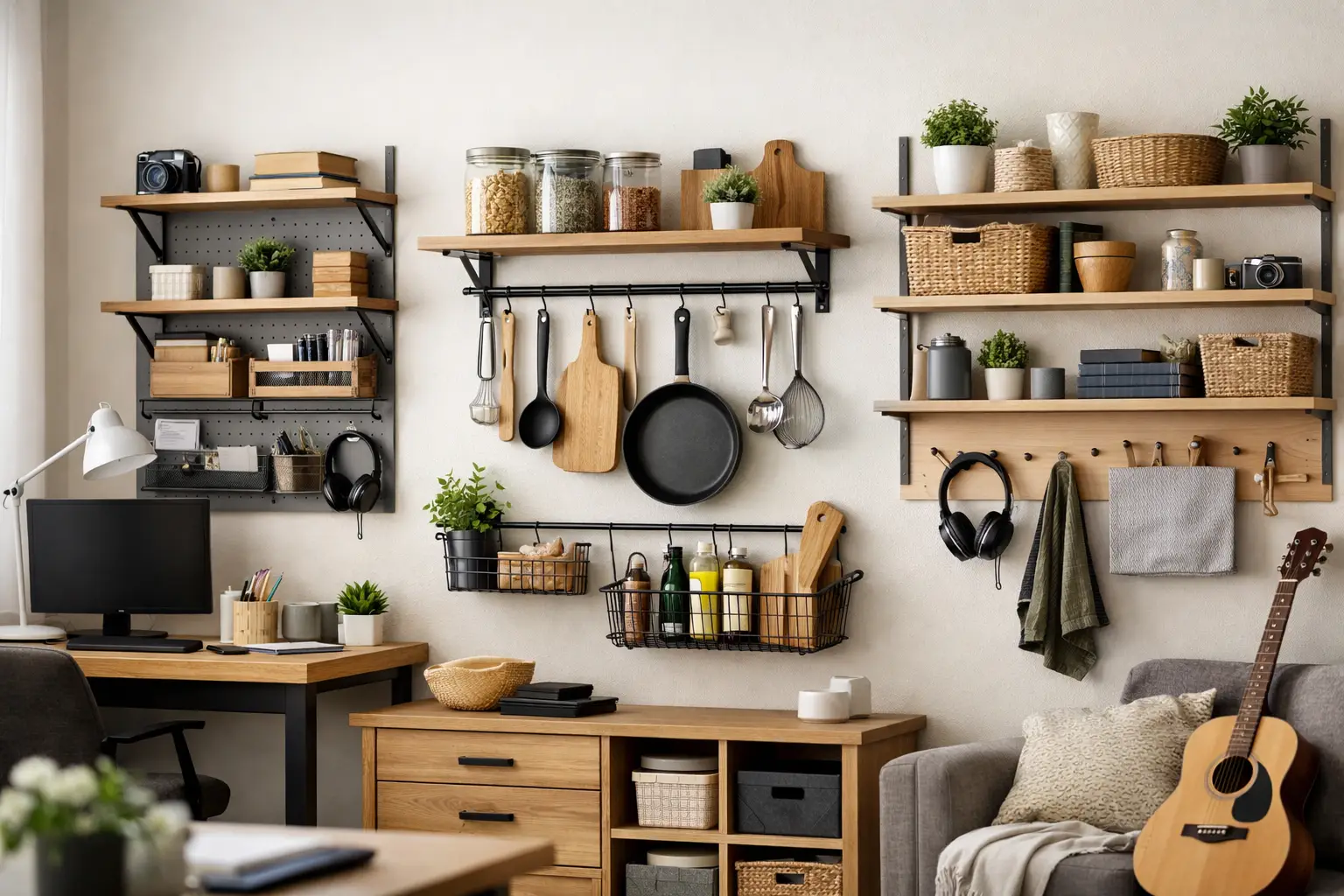
A crowded laundry room, an entryway full of shoes, or a garage with no room for the car usually has the same underlying problem: the walls are not doing enough. Well-planned wall storage puts unused vertical space to work, giving everyday belongings a dependable place without making a room feel smaller.
For homeowners, the goal is not to add shelves wherever there is an open wall. It is to build a storage system around how the room is actually used. The right combination of cabinets, shelving, hooks, drawers, and work surfaces can make busy spaces easier to maintain from one season to the next.
Start With the Room's Daily Traffic
Before choosing a finish or deciding how many shelves you need, consider what moves through the space every day. In a mudroom, that may mean backpacks, coats, boots, pet supplies, and sports gear. In a garage, it may mean tools, lawn equipment, holiday decorations, and bike helmets. A home office has different demands, including paper storage, technology, supplies, and a clear work surface.
Storage works best when the items used most often are the easiest to reach. Frequently used items should generally fall between knee and shoulder height. Higher shelves are better for seasonal belongings and items that need to be stored safely out of reach of children. Lower cabinets and cubbies are useful for heavier pieces that are awkward to lift.
It also helps to notice where clutter collects now. If bags always land beside the door, the answer may be hooks and a bench near that entry. If cleaning products end up on the laundry room floor, a tall cabinet or dedicated wall-mounted shelf may be the better fix. Design decisions should solve those everyday habits rather than ask everyone in the household to create new ones overnight.
Choose Wall Storage That Fits the Space
There is no single best wall storage solution for every room. Open shelving is easy to access and can make a small space feel lighter, but it requires some regular tidying. Closed cabinets hide visual clutter and protect supplies from dust, but they need room for doors or drawers to open comfortably.
A combination is often the most practical approach. Closed base cabinets can hold bulkier or less attractive items, while open shelves above keep frequently used supplies visible. Drawers help contain small items that would otherwise get lost at the back of a deep shelf. Hooks and hanging rails are especially useful in entry areas, garages, and utility rooms because they use a narrow strip of wall without taking up valuable floor space.
Built-in wall systems offer another advantage: they can be designed around odd corners, low ceilings, windows, outlets, and existing appliances. That matters in older homes and hardworking utility spaces, where standard furniture often leaves awkward gaps that collect clutter.
Open Shelves Are Best for Easy Access
Open shelves are a good choice for neatly stored bins, folded towels, books, pantry staples, or decor that earns its place in the room. They work particularly well above a desk, washer and dryer, workbench, or countertop.
The trade-off is visibility. Everything on an open shelf becomes part of the room's appearance. Matching containers, labeled bins, and a sensible shelf height can keep the system looking intentional instead of overcrowded. If a household tends to accumulate loose items, cabinets or drawers may provide a calmer solution.
Cabinets Provide a Cleaner Look
Wall-mounted cabinets are useful when you want supplies close at hand but out of sight. In a laundry room, they can hold detergents, stain treatments, and paper goods. In a garage, they can keep chemicals, tools, and smaller equipment protected and organized. In a home office, they can reduce visual distractions and make it easier to end the workday with a clear desk.
Cabinet depth should match what you need to store. Deep cabinets can hold more, but they can also make a narrow room feel crowded. Shallow cabinets are often enough for cleaning supplies, pantry items, craft materials, and office products.
Plan for Weight, Safety, and Long-Term Use
A storage wall needs more than an attractive layout. It needs proper support. Books, power tools, canned goods, large bins, and seasonal decorations add weight quickly. Shelves and cabinets should be attached securely to wall studs or installed with an appropriate mounting system designed for the load.
This is one reason professionally designed and installed storage can be worthwhile. A good plan considers the wall itself, the materials being used, the weight of the stored items, and access around doors, windows, appliances, and walkways. It also prevents common frustrations such as sagging shelves, poorly placed hooks, or cabinet doors that interfere with each other.
Safety should guide placement as well. Store hazardous household products in a lockable cabinet if young children are present. Keep heavy items lower whenever possible. In garages and utility rooms, leave clear paths to electrical panels, water shutoffs, and other equipment that may need service.
Make Small Rooms Feel More Useful, Not More Crowded
Wall storage is especially helpful in rooms where floor space is limited. A compact laundry room can gain folding space with a wall-mounted countertop, cabinets above appliances, and a narrow pullout or shelving section for supplies. An entryway can become more functional with hooks, upper cabinets, and a bench with storage below.
In smaller rooms, visual balance matters. Extending cabinetry to the ceiling can make use of every inch, but too many deep cabinets may feel heavy. Lighter finishes, open sections, and consistent lines can help the room feel organized without closing it in. The best choice depends on how much you need to store and how much visual openness you prefer.
Do not overlook wall space behind doors or beside appliances. These areas may accommodate narrow shelves, hanging organizers, or tall cabinets. Even a small vertical section can solve a recurring storage problem when it is designed for a specific purpose.
Create Zones Instead of One Catch-All Area
The most dependable storage systems separate items by activity. A garage wall may include a gardening zone, a tool zone, a sports zone, and upper storage for seasonal items. A mudroom can have individual spaces for each family member, plus separate room for pet supplies and shared outdoor gear.
Zones make it easier to put things away because there is less guesswork. They also make it easier to see when supplies are running low or when one category has outgrown its allotted space. If the family adds new hobbies, children grow into different activities, or work needs change, a flexible system can be adjusted without starting over.
Labels can help, especially in spaces shared by several people. They do not need to be overly formal. A simple label on a bin or shelf gives everyone a clear home for items and reduces the familiar question of where something belongs.
Consider the Finish and Details
Storage should hold up to real life. Garages, laundry rooms, and mudrooms need surfaces that are easy to clean and resistant to everyday wear. Hardware should feel solid, drawers should operate smoothly, and shelves should be adjustable where changing needs are likely.
Details also affect comfort. Integrated lighting can make a work area, closet, or cabinet easier to use. A durable countertop above base cabinets creates a place to fold laundry, sort mail, complete projects, or set down groceries. Pullout baskets, charging drawers, and specialized hooks can make a system more useful, but only when they match the household's actual routines.
A custom design is not about adding every available feature. It is about choosing the features that reduce friction in the day-to-day work of running a home.
When Custom Wall Storage Makes Sense
Freestanding shelves can be a practical short-term option, especially for simple storage needs. Custom wall storage becomes more valuable when a room has unusual dimensions, the storage needs are substantial, or you want a finished appearance that supports the rest of the home.
It can also make sense when clutter is affecting how a room functions. If the garage cannot hold a vehicle, the laundry room has no usable workspace, or the entryway creates stress every time someone comes home, a tailored plan can make a noticeable difference. Comfort Concepts QCA helps homeowners turn those underused walls into organized spaces designed for daily life.
The right storage wall should feel natural after it is installed. Coats should have a place near the door, tools should be easy to find, and supplies should be within reach without taking over the room. Start with the routines that make your home busiest, and let the walls carry more of the load.