
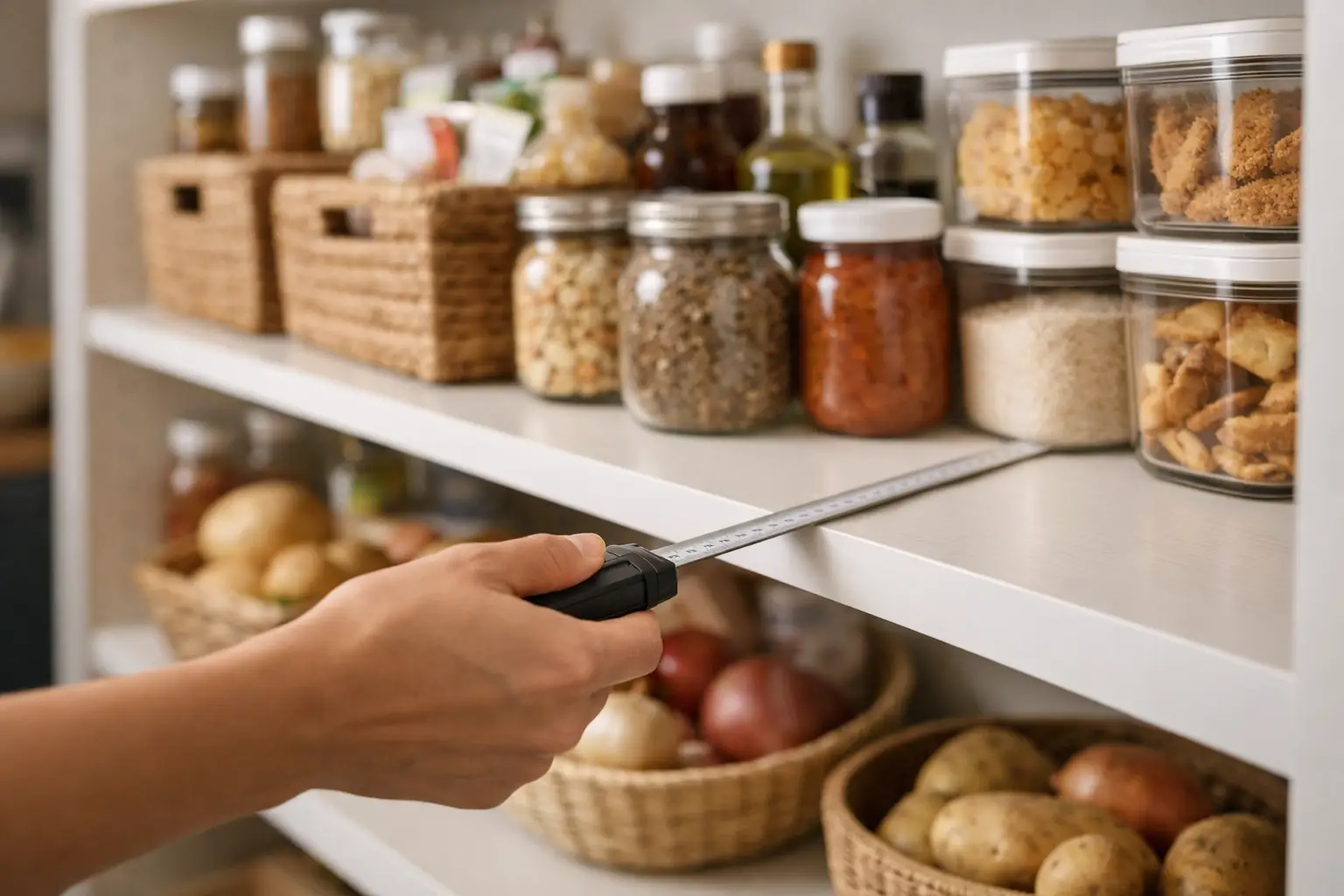
A pantry can have plenty of square footage and still feel crowded when the shelves are too deep, too shallow, or spaced without a plan. If you are asking, how deep should pantry shelves be, the practical answer for most homes is 12 to 16 inches. That range keeps everyday groceries visible and reachable while providing useful storage capacity.
The right depth depends on the kind of pantry you have, what your household buys, and whether you want open shelves, pull-out storage, or a mix of both. A well-designed pantry should make weeknight meals, school lunches, and grocery put-away easier - not create a hidden collection of expired cans at the back of a shelf.
How Deep Should Pantry Shelves Be?
For most pantry shelves, 12 inches deep is the reliable starting point. It holds canned goods, cereal boxes, pasta, baking supplies, and many small appliances without making items difficult to see. This depth is especially useful in a reach-in pantry or a shallow pantry wall where every inch of aisle space matters.
A 14- to 16-inch shelf is often the best choice for a walk-in pantry. It gives families more room for larger cereal boxes, snack bins, serving platters, small kitchen appliances, and bulk items. It can also accommodate clear storage containers without forcing them into a single row.
Shelves deeper than 16 inches can work, but they need more planning. At 18 to 24 inches deep, the back half of a fixed shelf can quickly become hard to access. These deeper shelves are most helpful when they include pull-out baskets, roll-out trays, drawers, or designated storage for large appliances and oversized packages.
The goal is not to make every shelf as deep as possible. The goal is to make every item easy to find and simple to put away.
Choose Shelf Depth by Pantry Style
The shape of the pantry has a major effect on what shelf depth will feel comfortable in daily use. A depth that works beautifully along one wall may make a narrow walk-in pantry feel cramped.
Reach-in pantries
For a reach-in pantry, 10- to 12-inch shelves are usually the most functional. Because the pantry is viewed and accessed from one opening, shallow shelves keep products from getting lost. They also prevent the pantry door from interfering with storage.
If the pantry is wider, deeper shelves may be appropriate on the lower section for countertop appliances, beverage storage, or large mixing bowls. Keeping the upper shelves shallower often gives the whole pantry a cleaner, more usable layout.
Walk-in pantries
Walk-in pantries generally allow 14- to 16-inch shelves along the walls. This depth provides flexibility without sacrificing too much walking space. In a U-shaped pantry, 12-inch shelves may be better on the side walls, with 14- or 16-inch shelves on the back wall where there is more room to reach in.
A comfortable aisle is just as important as the shelving. If shelving on both sides leaves only a tight passage, the pantry will feel frustrating when two people are unloading groceries or preparing a meal. In many homes, maintaining an aisle around 36 inches wide creates a practical balance between storage and movement.
Pantry cabinets and butler's pantries
Cabinet-style pantries can use standard 12- or 24-inch cabinet depths, but the deeper option benefits from pull-out features. A 24-inch-deep pantry cabinet with fixed shelves can hide a surprising amount of food. Pull-out shelves, drawers, and baskets bring those items forward so the full depth remains useful.
A butler's pantry may need a mix of depths. Shallow shelves work well for glasses, coffee supplies, and serving pieces, while deeper lower cabinets can hold small appliances, paper products, or entertaining essentials.
Why Deeper Is Not Always Better
Deep shelves seem like an easy way to gain storage, especially when kitchen space is limited. The trade-off is visibility. If canned vegetables sit in front of pasta sauce, which sits in front of baking mixes, families tend to use only what they can see first.
That leads to duplicate purchases, forgotten food, and more waste. A shelf that is slightly shallower but organized by category often holds less in theory and more in practice because everything remains accessible.
Deep fixed shelves are also harder on the person using them. Reaching over items in front to grab something in back is inconvenient, particularly on higher shelves. A thoughtful pantry design places frequently used food between waist and eye level, where it can be picked up without bending, stretching, or moving other items.
For bulk purchases, depth is still valuable. The better approach is to reserve deeper areas for items that do not need daily access, such as extra paper towels, large beverage packs, holiday serving supplies, or a stand mixer.
Pair Pantry Shelf Depth With Proper Spacing
Shelf depth is only one part of a comfortable pantry. Vertical spacing determines whether groceries fit naturally or become stacked in awkward piles.
Plan tighter spacing for canned goods, spices, and jars. About 6 to 8 inches between shelves is often enough for these shorter items. This creates more levels of storage and keeps small products from disappearing behind taller packages.
Cereal, pasta boxes, flour containers, and snack bins usually need 10 to 12 inches of vertical clearance. Tall bottles, countertop appliances, and bulk containers may require 14 to 18 inches. Adjustable shelves are especially useful because household needs change over time. A pantry designed around baby supplies may later need room for lunchboxes, sports drinks, or entertaining items.
Lower shelves can be deeper and taller because they are convenient for heavier or larger products. Upper shelves are often best kept shallower. This lets homeowners see what is stored overhead without having to pull items forward blindly.
A Practical Pantry Layout for Everyday Homes
The most useful pantry layouts organize storage around how a household actually cooks and shops. Everyday snacks, breakfast foods, lunch supplies, and frequently used ingredients should be placed at the front of easy-to-reach shelves. Less-used items can move higher, lower, or farther back.
Consider using 12-inch shelves for canned goods, baking ingredients, and spices; 14- to 16-inch shelves for cereal, bins, and packaged snacks; and deeper pull-out storage for appliances or bulk goods. This combination prevents the entire pantry from being designed around the largest item you own.
Clear bins can help on deeper shelves, especially for categories such as granola bars, chips, baking packets, and sauce mixes. Instead of reaching to the back, you pull out one bin and see the entire category. Labels are useful when several family members use the space, though the system should stay simple enough to maintain after a busy grocery run.
Door storage can also reduce the need for deep shelves. Narrow racks on the pantry door are well suited for spices, condiments, wraps, and other small items. Just make sure the door can close without pressing into the shelf contents.
When Custom Shelving Makes Sense
Standard shelving can be a good fit for a simple pantry, but it may not solve common problems such as wasted corners, shelves that block the doorway, or no place for appliances. Custom pantry storage is most valuable when the space has an unusual shape, a narrow aisle, limited depth, or a household with specific storage needs.
A custom design can vary shelf depths from one section to another rather than forcing the entire pantry into one measurement. It can include adjustable shelves, pull-out trays, drawers for snacks, vertical dividers for baking sheets, and dedicated space for a microwave, coffee station, or pet supplies.
For Quad Cities homeowners, Comfort Concepts QCA can help turn an underperforming pantry into a storage area that fits the way the household lives. The best design begins with measurements, but it should also account for grocery habits, family routines, and the items that currently have nowhere convenient to go.
A pantry should support the rhythm of the kitchen. Choose shelf depths that keep everyday food visible, make bulk storage manageable, and leave enough room to move comfortably. That is what makes a pantry feel organized long after installation day.