
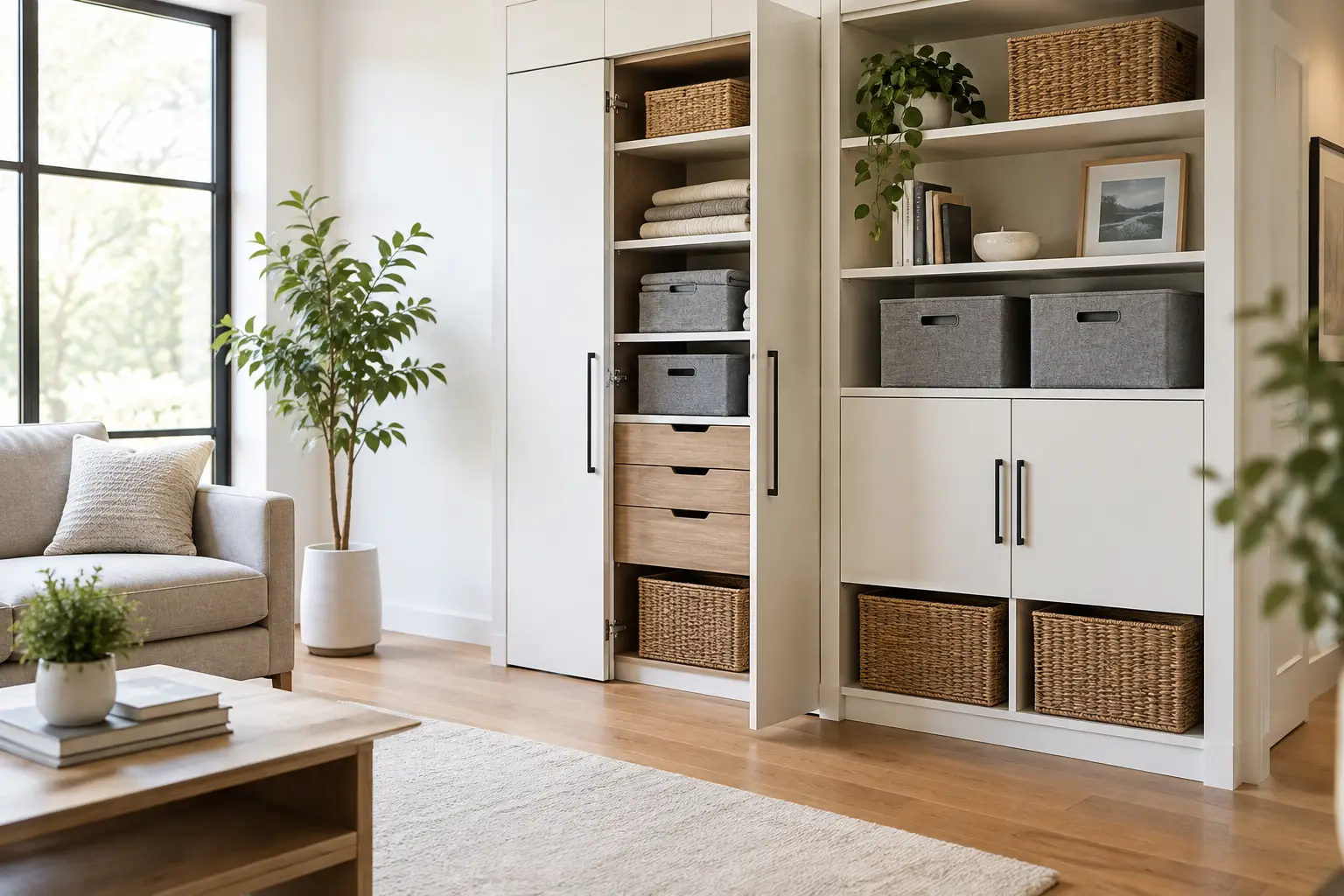
The pile on the kitchen counter is rarely just a pile. It is mail waiting to be sorted, school papers that need a home, keys that disappear each morning, and the small household items that have nowhere practical to go. So, can custom storage reduce clutter? For many homeowners, the answer is yes - not because storage forces a perfect home, but because it gives everyday belongings a place that makes sense.
Clutter often returns when a room does not support the way a household actually lives. A standard closet may have one hanging rod and a shelf that is too high to use well. A garage may have plenty of square footage but no clear location for tools, sports equipment, seasonal decorations, or yard supplies. Custom storage addresses those gaps by designing around the items you own and the routines you repeat.
Why clutter builds up in otherwise good homes
Most clutter is a system problem, not a personal failure. When putting something away takes too many steps, requires moving other items, or means squeezing it into an already-full cabinet, leaving it out becomes the easier choice.
This is especially common in busy Quad Cities homes. Families move between school, work, activities, changing seasons, and home projects. Coats, boots, backpacks, groceries, laundry, and equipment all need to move through the house without taking over the floors and furniture. Storage that worked when a home was first purchased may no longer work for the people living in it now.
A room can also look crowded when it contains the wrong kind of storage. Open shelves may be useful for attractive, frequently used items, but they can make a room feel busy if they become the default landing spot for everything. Deep cabinets can hold a lot, yet items get lost in the back. Basic wire shelving can create vertical space, but smaller belongings may tip, snag, or become difficult to reach.
The goal is not to hide every possession behind a door. It is to make the things you need easy to find, easy to use, and easy to return.
How custom storage reduces clutter
Custom storage reduces clutter by giving specific categories of belongings an intentional home. Instead of asking where something can fit, you can decide where it belongs. That distinction matters on a rushed weekday morning or after a long day at work.
It uses the space you already have more effectively
Many homes have storage space that is underused because it is awkward, shallow, too tall, or poorly divided. Custom shelving, drawers, cabinets, and hanging areas can be sized to use the full width and height of a closet, pantry, laundry room, or garage wall.
A reach-in closet, for example, may benefit from double hanging sections for shirts and pants, adjustable shelves for folded clothing, and drawers for smaller items. This creates more usable capacity than a single rod and upper shelf, often without increasing the closet's footprint.
In a pantry, vertical dividers can keep baking sheets and trays from becoming a leaning stack. Pullout shelves can make canned goods and small appliances easier to see. In a garage, wall-mounted cabinets and dedicated zones can keep supplies off the floor while preserving room for vehicles, bikes, or a workbench.
It creates a place for the items that cause daily messes
The most useful designs focus on the belongings that regularly end up in the wrong place. A mudroom or entry area may need hooks at a child's height, a bench for shoes, closed cabinets for bags, and a drawer for gloves and hats. A laundry room may need a hanging area, space for detergent, and cabinets that keep cleaning products contained.
These details are simple, but they reduce the number of decisions required to keep a room orderly. When backpacks have assigned hooks and shoes have a clear home, they are less likely to migrate to the kitchen table or hallway.
It makes what you own easier to see
Out-of-sight storage can help a room look tidy, but storage that is too hidden can lead to duplicate purchases and forgotten belongings. A thoughtful design balances clean appearance with visibility.
Drawers, pullouts, labeled bins, adjustable shelving, and well-planned lighting help homeowners see what they have. That can be especially helpful in pantries, craft rooms, home offices, and garages, where small items tend to multiply. Better visibility supports better habits because finding an item no longer means emptying half a cabinet.
Rooms where custom storage makes the biggest difference
A custom storage project does not have to involve the entire house. In many cases, improving one high-traffic area creates an immediate difference in how the home feels and functions.
Closets and dressing areas
Closets are often the first place homeowners notice wasted space. A tailored closet system can separate hanging clothes, folded items, shoes, accessories, and seasonal pieces. It also allows the layout to reflect how each person gets ready. Someone with work clothes, athletic gear, and formalwear needs a different setup than someone who mainly needs shelves and drawers.
A well-designed closet can make bedroom surfaces clearer because clothing and accessories no longer need to live on chairs, benches, or dressers. For smaller bedrooms, that added order can make the whole room feel calmer.
Pantries and kitchens
Kitchen clutter affects the entire household because the room is used throughout the day. A pantry designed for groceries, cooking tools, lunch supplies, and small appliances can reduce crowded counters and overfilled cabinets.
The right layout depends on shopping habits and cooking routines. A household that buys in bulk may need deeper shelves and room for large packages. A family with young children may benefit from lower snack storage. There is no single best pantry arrangement, which is why measuring the space and discussing real use matters before installation.
Garages, mudrooms, and utility spaces
These are hard-working areas, particularly through Midwest weather. They collect wet boots, winter gear, gardening supplies, sports equipment, tools, recycling, and seasonal decorations. Without defined storage, they quickly become catch-all spaces.
Closed garage cabinets can protect supplies from dust and provide a cleaner appearance. Open wall storage can keep frequently used equipment within reach. In a mudroom, durable benches, cubbies, and hooks can contain the daily flow of outerwear before it reaches the rest of the house.
Custom storage is not the same as adding more cabinets
More storage is helpful only when it solves a real problem. Adding cabinets without considering what will go inside them can simply create more places for disorganized items to accumulate.
A good custom plan starts with the contents of the room. How much hanging clothing is there? Which appliances need easy access? What needs to be stored safely away from children? Which items are used every day, and which come out once a year? The answers determine whether a space needs shelves, drawers, pullouts, hooks, cabinets, or a combination.
There are trade-offs to consider. Open shelving offers quick access but requires more visual upkeep. Deep cabinets can hold bulky items but may need pullout features to prevent lost space. Highly specialized compartments are convenient, though a little flexibility is often wise as family needs change. The best design is one that feels organized now while still allowing for adjustments later.
What to do before investing in a custom system
Before planning custom storage, take an honest look at how the room is used. Remove items that are broken, expired, no longer needed, or better suited for another location. Custom storage works best when it is organizing useful belongings, not preserving things that no longer serve the household.
Then pay attention to recurring trouble spots for a week or two. Notice what lands on the counter, stays on the floor, or gets shoved into an overcrowded closet. Those patterns reveal the features that will have the most value.
It is also helpful to set priorities. Some homeowners want a more polished appearance for a primary closet or entertaining area. Others need a practical garage system that can handle household projects. Both goals are valid, but they may call for different materials, layouts, and budgets.
A professional consultation can turn those observations into a workable plan. Comfort Concepts QCA designs storage around the dimensions of the space, the belongings that need a home, and the daily routines that make a house run.
Can custom storage reduce clutter for the long term?
Custom storage cannot stop new belongings from entering a home, and it will not eliminate the need to sort, donate, or put things away. What it can do is make those tasks far less frustrating. When storage fits the household, maintaining order takes less time and fewer reminders.
The most successful systems are practical rather than precious. They give frequently used items an easy return path, provide room for seasonal changes, and make the home feel easier to live in. A clear counter, an accessible closet, or a garage floor you can walk through may seem like small improvements, but they can bring a welcome sense of comfort to every day.