
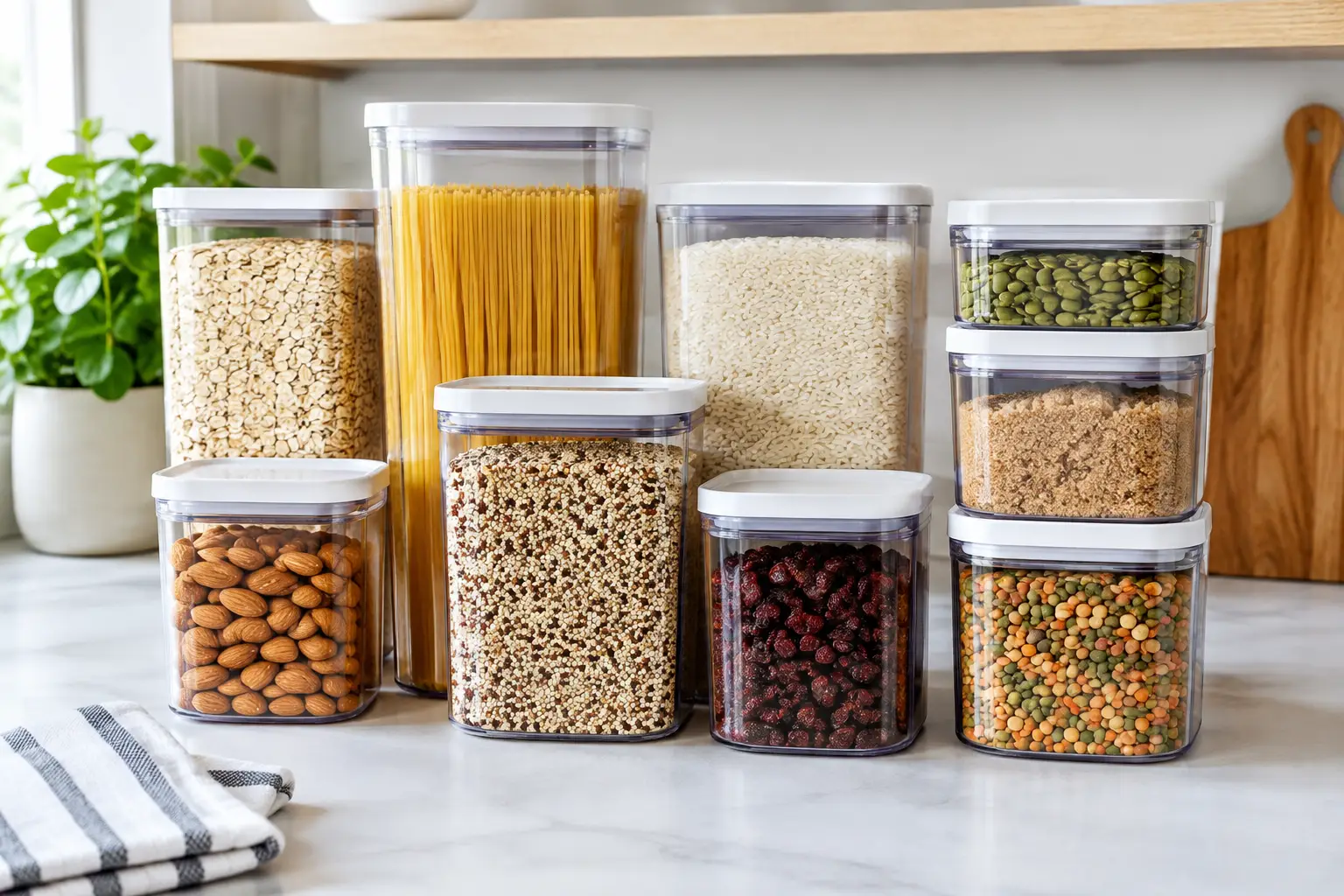
A pantry can look organized for about a week before open bags, half-empty boxes, and hard-to-reach ingredients take over again. The best pantry storage containers do more than create a tidy shelf. They protect food, make everyday cooking easier, and help every member of the household see what is available before buying duplicates.
For most Quad Cities homes, the right system is not about making a pantry look like a showroom. It is about giving cereal, flour, snacks, pasta, and baking supplies a dependable place to live. The best choices fit your shelves, match how your family shops, and are simple enough to keep using on a busy weekday.
What Makes Pantry Storage Containers Worth Buying?
A good container should solve a specific problem. Airtight containers help dry goods stay fresh longer. Clear containers reduce guesswork. Stackable shapes make better use of shelf height. Easy-open lids matter when children, guests, or hurried cooks are reaching for ingredients.
The strongest option is rarely one container size repeated across the entire pantry. Families usually need a practical mix. Tall containers work well for spaghetti and baking staples, medium containers suit cereal and crackers, and smaller ones keep nuts, dried fruit, or snack items from disappearing into the back of a shelf.
Before purchasing anything, measure the usable depth, width, and height of your shelves. Include the clearance below the next shelf, especially if you plan to use a container with a lid that lifts or flips open. A container that is attractive but too tall to remove easily will quickly become frustrating.
The Best Pantry Storage Containers by Material
Material affects durability, visibility, weight, and how comfortably a container fits into daily routines. There is no single right answer for every pantry.
Clear Plastic Containers
Clear plastic containers are often the most practical choice for dry food storage. They are lightweight, shatter-resistant, and easy to move when cleaning shelves. Square and rectangular plastic containers also tend to stack more efficiently than round jars, which can leave unused space along the back and sides of a shelf.
Look for food-safe containers with a lid that seals securely all the way around. For flour, sugar, cereal, rice, and pet food, a dependable seal is more valuable than an elaborate lid design. If a container feels difficult to close in the store, it will likely feel worse once it is full.
The trade-off is that lower-quality plastic can stain, retain odors, scratch, or become cloudy over time. Plastic is a smart choice for high-use foods and homes with children, but it is worth choosing a durable set rather than thin, disposable-style bins.
Glass Containers and Jars
Glass offers a clean look and does not hold onto odors as readily as some plastics. It is especially useful for ingredients you use often in smaller quantities, such as coffee, tea, dried beans, oats, spices, or baking decorations.
Because glass is heavier, it is usually better for shelves at waist height or below rather than a high, hard-to-reach shelf. It can also be less practical for large quantities of flour or sugar. A full glass container may be difficult to lift, and a drop can turn a simple pantry task into a major cleanup.
Glass works best when you want visibility and a more permanent storage solution, not when you need to move large containers frequently.
Metal Canisters
Metal canisters can protect food from light and add warmth to a pantry design. They are a good fit for items that do not need to be visible, such as coffee, tea bags, or individually wrapped snacks.
Their main limitation is visibility. Without a label, it is easy to forget what is inside or how much remains. If you use metal containers, add clear labels and reserve them for ingredients with a predictable home.
Choose Shapes That Work With Your Shelves
Round jars can be charming, but square and rectangular containers are usually the better use of pantry space. Straight sides line up neatly, stack securely, and make it easier to reach items without knocking over the next container.
Tall, narrow containers may appear space-efficient, but they are not always the most useful. If they are too deep to scoop from comfortably, they can create more work. Flour and sugar containers should be wide enough for a measuring cup or scoop. Cereal containers should pour cleanly without requiring two hands.
For deep shelves, use bins or handled containers to create a pull-out effect. Put smaller items in the bin, then pull the entire group forward when needed. This prevents food from getting lost behind larger containers and makes cleaning much simpler.
Lids Matter More Than Most People Expect
A container is only as useful as its lid. The best pantry storage containers have lids that are easy to operate, close consistently, and form a reliable seal without excessive force.
A flip-top pouring lid can be helpful for cereal, but it may not be the best choice for flour or brown sugar. A wide, removable lid is easier for scooping and refilling. For bulk staples, a gasket-style seal helps limit moisture and keeps pantry pests away.
Think about who uses the pantry. A complicated locking lid may keep food fresh, but it can also lead to containers being left open if children or older family members struggle with it. A simple lid that gets closed every time is often the better system.
Build a Container Mix Instead of Buying One Giant Set
Large matching sets are tempting, especially when a pantry needs a fresh start. But a full set can leave you with several containers that do not fit the foods your household actually buys. A better approach is to begin with the categories that cause the most clutter.
Start with a few larger containers for baking staples and breakfast foods. Add medium containers for pasta, rice, crackers, and snacks. Then use small containers or bins for loose packets, seasoning mixes, and grab-and-go items.
If you regularly buy warehouse-size packages, avoid decanting everything at once. Keep backup supplies in their original packaging in a secondary location, then refill the working container in the pantry. This keeps shelves from becoming overloaded and makes it easier to track what you have.
Labels Keep an Organized Pantry Organized
Even clear containers benefit from labels. A label tells everyone where an item belongs, which makes it much more likely the system will stay in place after the first few weeks.
Use simple, easy-to-read names rather than labels that are overly specific. “Baking flour” may work better than “all-purpose flour” if your household occasionally switches brands or types. Add a date only for foods that need closer rotation, such as specialty flours, nuts, or seasonal baking ingredients.
For families managing food allergies or dietary needs, labels can also prevent mix-ups. Keep those items together in a separate, clearly marked area rather than relying on memory during a rushed meal.
Avoid These Common Pantry Container Mistakes
The most common mistake is transferring food to containers without saving the package details. Cooking instructions, expiration dates, allergy information, and lot numbers can matter. Cut out the relevant label, write the date on the container, or keep the original package nearby until the food is used.
Another mistake is filling containers past their practical limit. A lid should close easily, and there should be enough room to scoop or pour without spilling. It is also wise to clean and fully dry containers before refilling them. Adding fresh food on top of old crumbs or residue can shorten shelf life and create unwanted odors.
Finally, do not treat containers as the entire pantry solution. Shelves that are too deep, poorly lit, or lacking zones can still feel cluttered. Containers work best alongside thoughtful shelf spacing, pull-out storage, and designated areas for baking, snacks, canned goods, and everyday meals.
A Pantry That Supports Everyday Life
The right containers should make your home feel easier to manage, not add another system to maintain. Choose durable pieces for the foods you use most, keep sizes practical, and leave room for your household’s routines to change.
If your pantry itself is working against you, a custom storage plan can make a bigger difference than containers alone. Comfort Concepts QCA helps Quad Cities homeowners create pantry storage that is designed around the way their families shop, cook, and live - so the space stays useful long after the labels go on.