
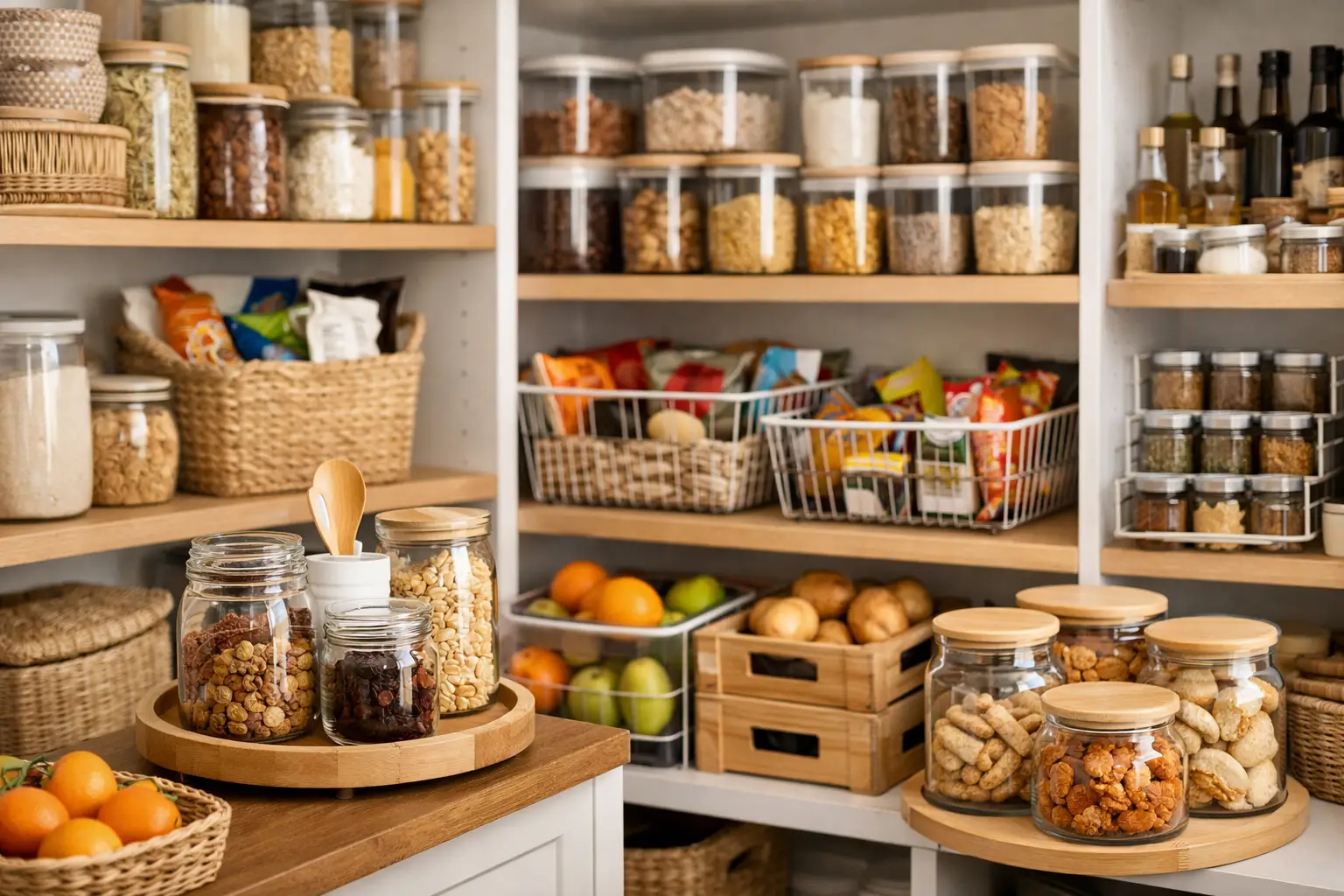
A pantry can look crowded even when it is not full. The problem is usually not the amount of food - it is that everyday items, bulk purchases, and occasional supplies are competing for the same limited space. The best pantry organization ideas create a place for each category, make frequently used items easy to reach, and help the whole household put things back where they belong.
For Quad Cities homeowners, a well-organized pantry also makes busy weeks easier. You can see what you have before grocery shopping, prepare meals without moving five items to reach one, and keep food from getting lost behind oversized boxes. The goal is not a picture-perfect pantry. It is a practical kitchen storage system that fits the way your home actually works.
Start With How Your Household Uses the Pantry
Before buying bins, baskets, or new shelving, take everything out and look at your current habits. Set aside expired food, duplicates you will not use, and packages that are nearly empty. This step reveals how much space each category truly needs.
Think about who uses the pantry and when. A family with school-age children may need a low snack area that children can reach independently. Homeowners who cook from scratch may need more room for baking ingredients, oils, spices, and small appliances. If you buy in bulk, reserve storage for backup items instead of trying to fit every package on the main shelves.
Measure the pantry, including wall depth, shelf height, door swing, and any awkward corners. Standard shelving can leave a surprising amount of vertical space unused, while shelves that are too deep often turn into hidden piles. A good plan works with the room's dimensions rather than forcing a one-size-fits-all storage setup into the space.
Best Pantry Organization Ideas That Make Daily Life Easier
The most useful pantry improvements are usually simple. They reduce searching, prevent overbuying, and make clean-up less of a chore after dinner or a grocery run.
1. Create clear pantry zones
Group items by purpose, not by the container they came in. Keep breakfast foods together, place pasta and sauces in one area, and give baking supplies their own zone. Snacks, canned goods, beverages, paper products, and backstock each deserve designated locations as well.
Zones help everyone understand where items belong. They also make grocery lists more accurate because you can quickly see what is running low. If your pantry serves as storage for lunch-making supplies, place those items near each other at a comfortable height.
2. Put everyday items between waist and eye level
The easiest-to-reach shelves should hold the foods and supplies you use most. This is the prime real estate in your pantry. Keep cereal, snacks, coffee, lunch ingredients, and dinner staples in this range.
Store less frequently used items higher up, such as holiday baking ingredients, serving pieces, or specialty appliances. Heavy items should stay on lower shelves for safety and convenience. A lower shelf is also a smart location for bottled water, pet food, or bulk packages.
3. Use adjustable shelving whenever possible
Fixed shelves work for some pantries, but they can limit how efficiently you use the room. Adjustable shelves allow you to create tall openings for cereal boxes, medium openings for canned goods, and shorter spaces for jars and spices.
Avoid making every shelf the same height. That arrangement often wastes vertical space. Varying shelf heights creates a more tailored system and helps prevent stacked items from becoming difficult to access.
4. Add pull-out drawers for small or deep storage areas
Deep shelves are useful only when you can see and reach what is in the back. Pull-out drawers or roll-out shelves bring stored items forward, which is especially helpful for snacks, potatoes and onions, baking supplies, and small packaged foods.
Drawers are also easier to maintain than loose piles. You can pull one out, wipe it clean, and return items to their category. For a narrow pantry, full-extension pull-outs can make a major difference without requiring a larger footprint.
5. Choose containers with a purpose
Clear, airtight containers are helpful for dry goods that are used often, such as flour, sugar, rice, cereal, pasta, and crackers. They can keep foods fresher and make it easier to spot when a refill is needed. However, transferring every item into matching containers is not necessary for an organized pantry.
Use containers where they solve a problem. Open bins work well for snack pouches and seasoning packets. Baskets can hold bread, chips, or produce that does not need refrigeration. Square containers often use shelf space more efficiently than round ones, but convenience matters more than a uniform appearance.
6. Label categories, not every detail
Labels should make the pantry easier for every member of the household to use. A simple label such as “Breakfast,” “Baking,” “School Snacks,” or “Dinner Sides” gives a clear direction without turning maintenance into a project.
For decanted foods, include the item name and, when needed, cooking instructions or an expiration date. Keep labels easy to update. A pantry changes as families grow, schedules shift, and grocery preferences change.
7. Give cans and jars a better view
Canned goods can disappear when they are stacked two or three rows deep. Tiered shelf risers raise the back row so labels remain visible. Another option is to organize cans in shallow pull-out drawers or dedicated bins by meal type, such as soups, vegetables, beans, and sauces.
Do not overfill these areas. Leaving a little open space makes it easier to see what you have and rotate older items forward. This is one of the simplest ways to cut down on waste.
8. Make the pantry door work harder
The back of a pantry door can provide valuable storage, especially in a small reach-in pantry. Shallow racks are useful for spices, wraps, foil, cleaning supplies, or individually packaged snacks. Make sure the door can close fully and that stored items will not bump into the shelves.
Door storage is best for lightweight, frequently used products. Avoid putting heavy bottles or large containers there, since they can strain hardware and make the door awkward to open.
9. Plan a separate space for bulk purchases
Bulk shopping can save time and money, but only if those purchases have a home. Keep backstock on upper shelves, lower shelves, or in a nearby utility area, separate from the active food supply. When the primary container or shelf is running low, refill it from the backstock.
This approach keeps the pantry from looking overloaded and prevents you from opening several packages of the same item at once. It also helps you decide whether buying in bulk is truly practical for your household.
10. Include a small appliance zone
Many pantries become crowded because appliances drift in from the kitchen counter. If you store a slow cooker, air fryer, blender, or stand mixer in the pantry, give each item a deliberate location. Lower pull-out shelves are often safer and easier than high, fixed shelves.
Consider how often each appliance is used. An appliance used every day should be easy to retrieve. One used only for holidays can go higher or farther back.
11. Add lighting before calling the pantry too small
A dim pantry feels smaller and is harder to keep organized. Simple motion-activated lighting can improve visibility in deep shelves and corners, helping you find items before purchasing replacements. Good lighting also makes cleaning and inventory checks less frustrating.
If a pantry is being redesigned, built-in lighting can be planned around shelving and drawers. The result is a more comfortable space that is easier to use morning, noon, and night.
12. Build in a five-minute reset routine
Even a well-designed pantry needs occasional attention. After grocery shopping, put new items in their zones and move older items forward. Once a week, take five minutes to return misplaced products, discard empty boxes, and check the snack area.
A full pantry cleanout does not need to happen every month. A seasonal review is usually enough for most homes. The key is preventing small messes from becoming a complete reorganization project.
When Custom Pantry Storage Is Worth Considering
Off-the-shelf organizers are a good starting point for many homes. They work well when shelves are accessible, the layout is straightforward, and you only need a few bins or risers. But a pantry with deep corners, fixed shelving, narrow walkways, or limited vertical space may need a more complete solution.
Custom pantry storage can combine adjustable shelves, pull-out drawers, vertical dividers, appliance storage, integrated lighting, and finishes that complement the kitchen. It is particularly useful when the pantry needs to support a large family, frequent entertaining, special dietary needs, or a major kitchen remodel.
Comfort Concepts QCA designs pantry systems around the space and the household using it. Rather than adding storage accessories one at a time, a thoughtful design can make each shelf, drawer, and wall section serve a clear purpose.
The right pantry should feel easy to maintain, not like another room demanding your attention. Start with the daily routines that create the most frustration, then choose organization ideas that remove those obstacles one practical improvement at a time.